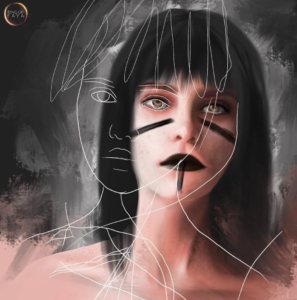
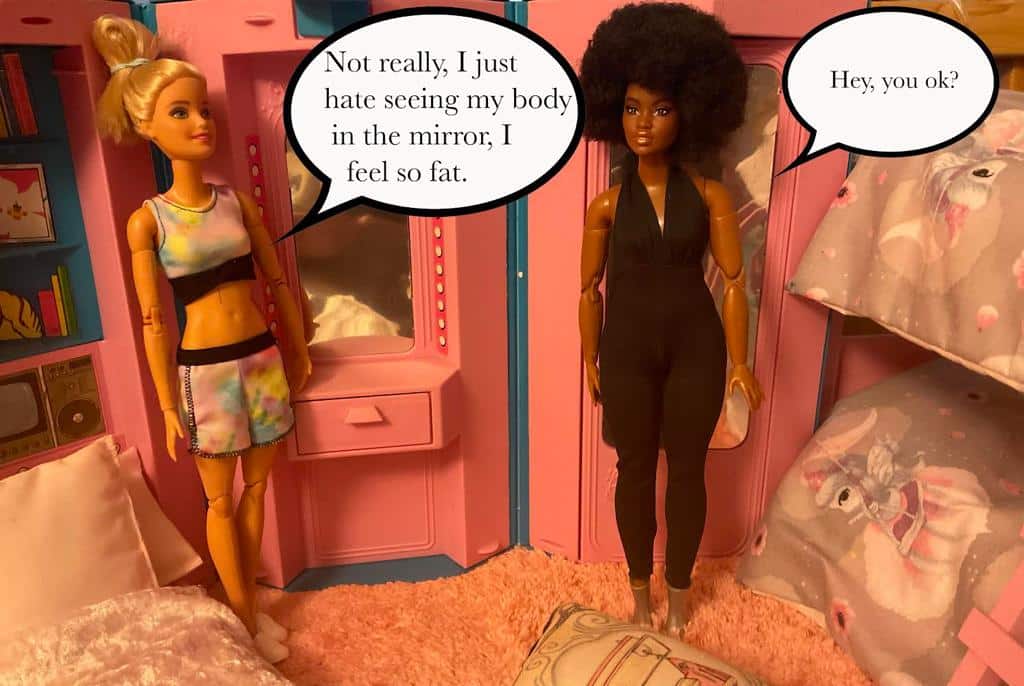
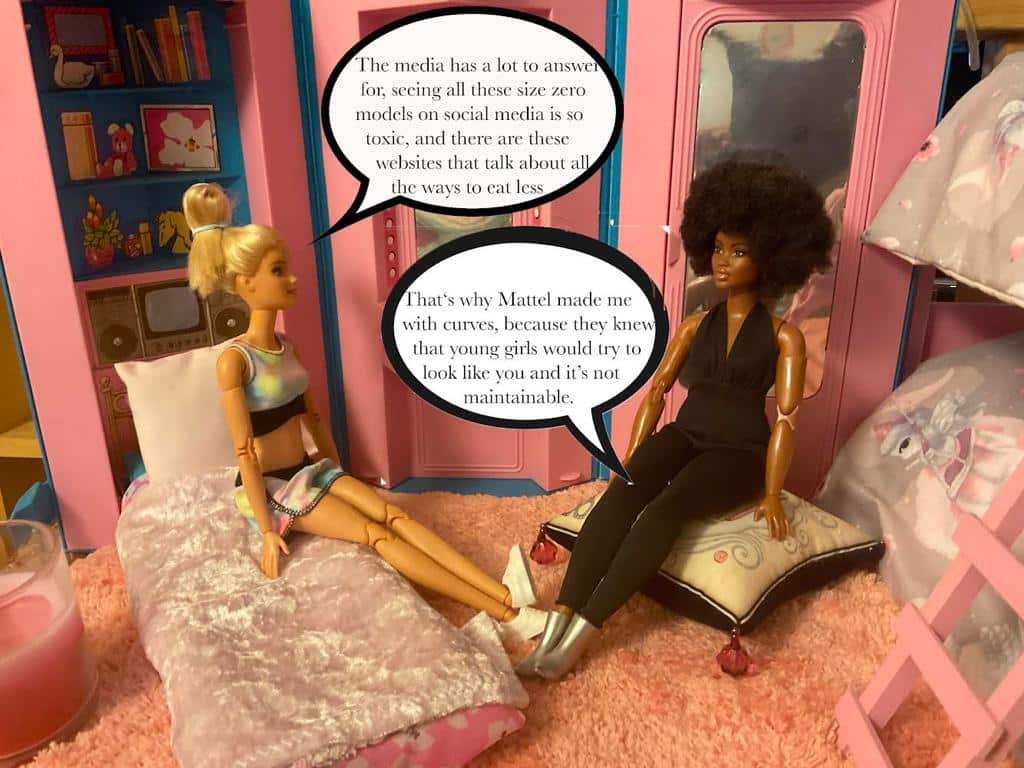
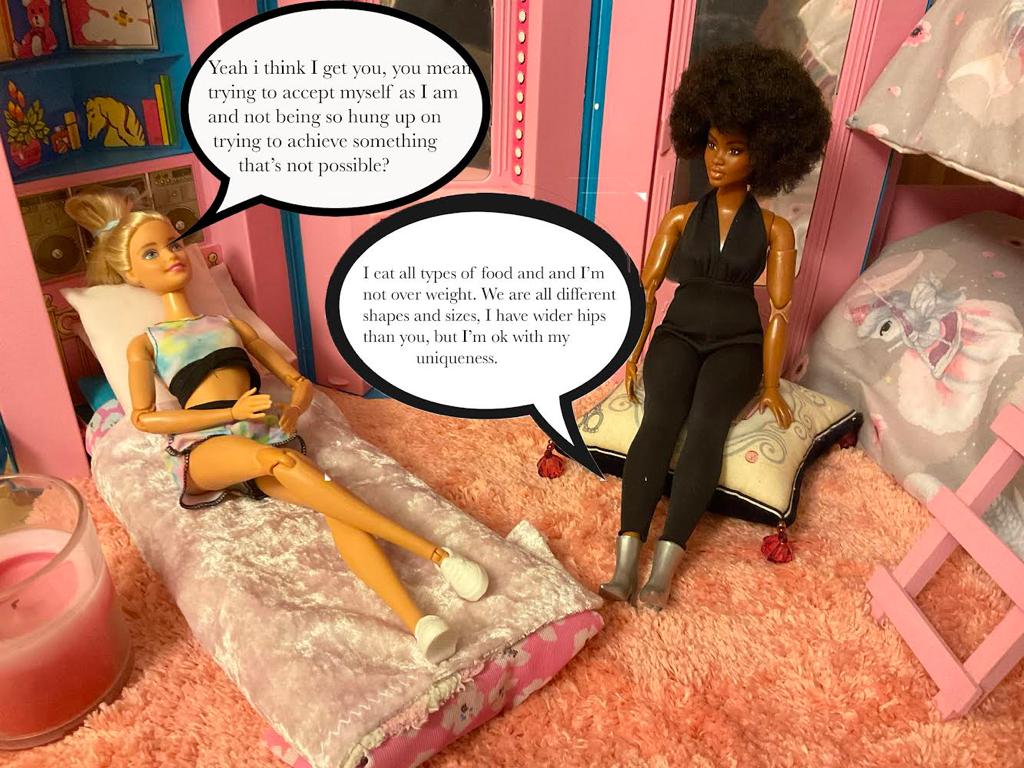
The body is a wonderful mechanism that holds our existence, enabling us to experience life in its full glory. However, for some people, their bodies become sources of persistent dissatisfaction and distress. One reason for this is the phenomenon of distorted body image, a subjective misperception of one’s physical appearance that often leads to eating disorders and other mental health conditions.
A distorted body image can be the result of various influences: societal expectations, peer pressure, personal experiences, and internal self-perceptions. A distorted body image often leads to unrealistic standards for beauty and perfection, which can cause severe emotional distress, self-esteem issues, and problematic eating behaviors.
Overcoming these challenges may seem daunting, but with the right approach, it’s entirely possible. Here are 10 simple steps to help regain a healthier, more realistic perspective of your body and move forward from factors that may have caused distorted body image:
Acknowledge the Issue: The first step to any form of healing is acknowledging the existence of the problem. Recognise that you might have a distorted view of your body and that it’s impacting your well-being.
Seek Professional Help: Mental health professionals, such as psychologists and therapists, can provide effective treatment for body image issues. They can help you understand the roots of your struggle and guide you toward strategies for overcoming it.
Practice Self-Compassion: Self-compassion involves treating oneself with kindness, understanding, and acceptance. It includes recognising that everyone has flaws and that it’s okay not to be perfect.
Cultivate a Positive Body Image: Rather than focusing on physical appearance, try to focus on your body’s functions and abilities. Appreciate the strength, resilience, and capabilities your body possesses.
Disconnect Appearance from Self-Worth: Remind yourself that your value as a person does not hinge on your appearance. Your worth comes from your character, actions, and the love and kindness you share with others.
Limit Exposure to Unrealistic Body Standards: The media often promotes unrealistic body images. Limiting exposure to such content can reduce the pressure to conform to these standards.
Embrace a Healthy Lifestyle: Eating a balanced diet and engaging in regular exercise not only helps maintain physical health but can also improve your perception of your body. However, it’s crucial to do this out of love and care for your body, not as punishment or a way to fit a certain body type.
Practice Mindfulness: Mindfulness helps us stay present and accept our bodies as they are. It can include techniques like mindful eating, yoga, or meditation.
Surround Yourself with Positive Influences: The people around you can significantly influence your body image. Surround yourself with those who appreciate you for who you are and not just for how you look.
Journaling: Write down your feelings about your body and the progress you’re making towards a positive body image. It’s a tangible way to track your journey and reinforce your achievements.
Understanding and improving your body image is a journey that requires time, patience, and self-love. It’s not about achieving a “perfect” body but about cultivating a loving and realistic perspective of the body you have. It’s about recognising that you are more than your appearance and that your worth cannot be measured in physical terms. It’s a journey worth taking because you deserve to live a life free from the distress of a distorted body image. You deserve to embrace and celebrate your unique self just as you are.
Body Image Reflection Quiz
This quiz is designed to help you reflect on your relationship with your body. Remember, this is not a diagnostic tool and cannot replace professional help. If you’re feeling distressed about your body image, please seek help from a mental health professional.
Answer each question with ‘Often’, ‘Sometimes’, or ‘Rarely/Never’:
- Do you find yourself constantly comparing your body with others’?
- Do you feel like your self-worth is directly tied to your physical appearance?
- Are you often dissatisfied with your body, even when others compliment you?
- Do you feel anxious or uncomfortable in situations where your body is exposed (like at the beach or gym)?
- Do you frequently scrutinise specific parts of your body you perceive as ‘flawed’ in the mirror?
- Do you tend to cancel social plans or avoid certain activities because of how you feel about your body?
- Have you ever tried extreme diets, excessive exercise, or even harmful practices to change your appearance?
- Do you often feel that people judge you primarily based on your appearance?
- Do you feel like you need to hide or disguise certain parts of your body?
- Are negative thoughts about your body interrupting your daily activities or concentration?
- Do you often fantasise about how much happier or better your life would be if you looked different?
- Do you feel a strong sense of shame, anxiety, or discomfort when thinking about your body?
If you’ve answered ‘Often’ or ‘Sometimes’ to many of these questions, it might be a sign that you’re struggling with body image issues. Again, remember this is not a diagnostic tool. If you feel distressed, it’s important to reach out to a mental health professional who can provide help and guidance. You’re not alone, and support is available.