
Trauma Therapy
With the correct help and support, many people with PTSD, C-PTSD and DID are successful in improving their ability to function and live a fulfilling life. Laura helps adults grapple with the aftermath of trauma and navigates them towards a path of healing and flourishing, utilising an array of therapeutic approaches tailored to each client’s unique experiences and needs. She draws from a selection of different theories and evidence-based therapeutic approaches such as Trauma informed Cognitive Behavioural Therapy, Acceptance and Commitment Therapy (ACT) and 3 -phase trauma informed practice, alongside interventions from different schools of thought such as psychodynamic theory, humanistic, attachment theory, social learning theory and polyvagal theory. The journey to healing trauma, complex trauma and dissociation could be likened to untangling a tightly knotted ball of yarn; It is complex, delicate, and requires patient, meticulous effort. With the guidance of a skilled therapist, the process becomes manageable and less overwhelming. Therapy for trauma involves specialised 3 phase trauma psychotherapy. The initial phase of therapy involves a collaborative assessment in which we work out together what the challenges are for you.
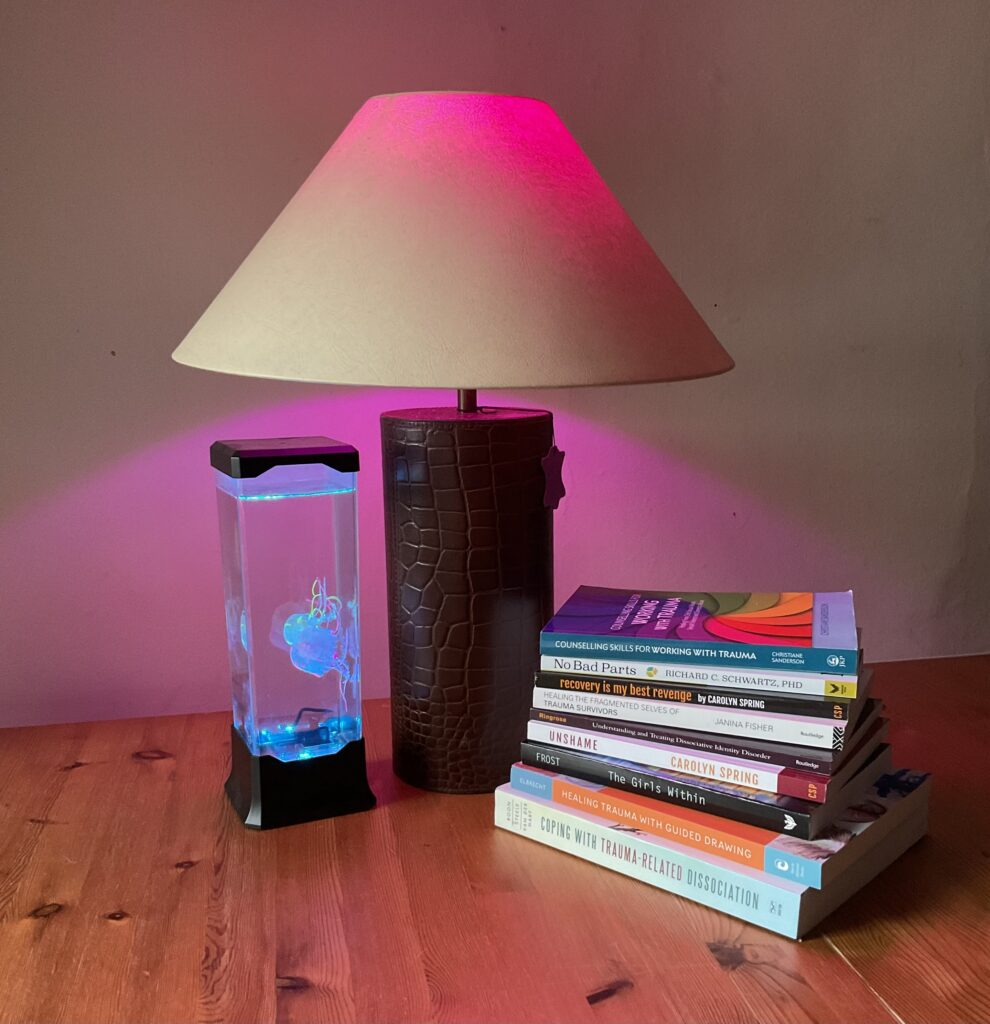
Phase 1 involves having a good understanding of what is getting in the way of your goals, and we will work towards safety and stabilisation strategies that will help you to feel safe in the room. All trauma work involves establishing a trusting relationship with your therapist, creating a safe space, pacing things for each individual and working initially on emotional regulation skills. Other aspects of phase 1 might include maintaining personal safety, building stress tolerance, enhancing basic life functioning skills, problem solving, goal setting, managing boundaries and relationships, managing flashbacks, assertiveness and communication training, pinpointing triggers, managing anxiety and depression symptoms and psychoeducation around what you are struggling with. Once you feel more able to tolerate emotions and manage overwhelm, we are able (if you so choose) to move on to phase 2.
Phase 2 involves confronting, working through, and integrating traumatic memories. In this phase the focus turns to working with the persons memories of traumatic experiences. This phase is specifically designed to help clients confront, process, and ultimately gain control over the distressing thoughts, emotions, and memories associated with their traumas. This thoughtful approach leads to resilience, fostering self-compassion and understanding, which are essential for long-lasting recovery. Effective work in this phase involves remembering, tolerating, processing, and integrating overwhelming past events. It is optimal to carefully plan out and schedule work on traumatic memories (ISSTD, 2011).
In phase 3 we look at integration or reclaiming life, helping you to move towards your goals in line with your values. Phase 3 involves manging relapse and strategies for moving on once you leave therapy. These phases are not linear, so there is much crossover, and a person may find themselves moving from phase 2 – 3 and back to 2 if things don’t feel manageable. In short term work we might focus more on the phase 1 work.
D.I.D Therapy
DID work tends to be more long-term and adjustments will be made to the phases of therapy. Additional Phase 1 strategies includes allowing parts to have a voice with the aim of coconsciousness, co-acceptance and increased integrated functioning. This goal is facilitated by a consistent approach of helping those with DID to respect the adaptive role, importance and validity of all parts, to find ways to consider the wishes and needs of all in making decisions and pursuing life activities (through negotiation) and to enhance internal support, accountability and safety between parts (ISSTD, 2011).
Integration is a process referring to all work on dissociated aspects of a person’s experience and involves an ongoing process of working towards less dissociative dividedness. Fusion refers to a point in time when two or more parts/alters experience themselves as joining together with a complete loss of subjective separateness. Final fusionrefers to the point in time when the persons sense of self shifts from that of experiencing parts to that of being a unified self. For some people a more realistic long-term outcome may be “functional multiplicity” which is sufficiently integrated and coordinated functioning among parts/alters to promote optimal functioning
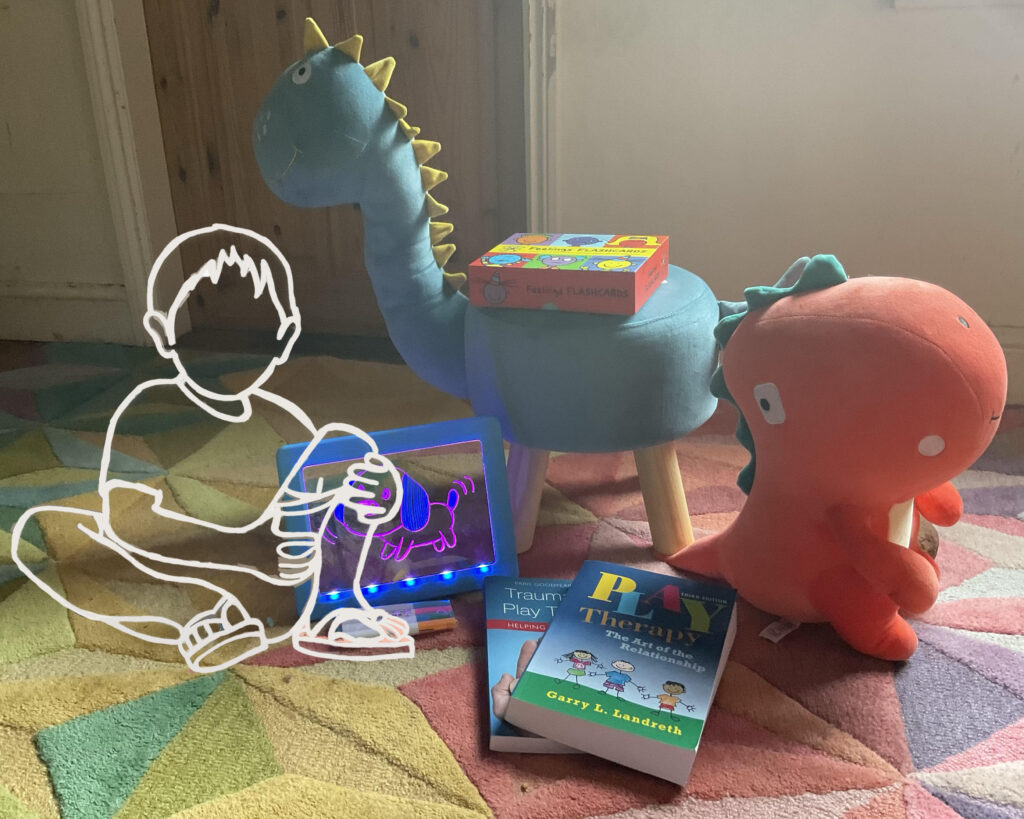
Phase 2 involves confronting, working through, and integrating traumatic memories. In this phase the focus turns to working with the persons memories of traumatic experiences. This phase is specifically designed to help clients confront, process, and ultimately gain control over the distressing thoughts, emotions, and memories associated with their traumas. This thoughtful approach leads to resilience, fostering self-compassion and understanding, which are essential for long-lasting recovery. Effective work in this phase involves remembering, tolerating, processing, and integrating overwhelming past events. It is optimal to carefully plan out and schedule work on traumatic memories (ISSTD, 2011).
In phase 2 we will discuss and reach agreement upon which memories will be the focus, at what level of intensity they will be processed, which types of interventions may be used, which parts will participate, what steps will be taken to maintain safety during the work, and which procedures will be used to contain traumatic memories if the work becomes too intense (ISSTD, 2011). The process of Phase 2 work allows the individual to realize that the traumatic experiences belong to the past, to understand their impact in his or her life, and to develop a more complete and coherent personal history and sense of self. In addition, those with DID become able to recall the traumatic experiences across parts, especially those who were previously amnestic or without emotional response to them.

Phase 3 involves additional gains in internal cooperation. This may include a more solid and stable sense of self and sense of how a person relates to others and to the outside world. As people begin to feel less fragmented, they usually develop a greater sense of calm, resilience, and internal peace (ISSTD, 2011). They may acquire a more coherent sense of their past and deal more effectively with current problems. The person may begin to focus less on past traumas, directing energy to living better in the present and to developing a new future perspective. Those with DID may need help to deal everyday life problems in a nondissociative manner, tolerating everyday stresses, emotions, and disappointments as a routine part of human existence. Eventually, many clients experience this phase as one in which they become increasingly able to realize their full potential in terms of personal and interpersonal functioning (ISSTD, 2011).
Eating Disorder Therapy
We understand that when you come to get help you might find it hard to trust people and part of you may feel like you don’t want to change. Laura will offer a compassionate and none-judgemental safe space in which trust can be built, helping you overcome any apprehensions you may have. Initially a questionnaire will be sent to you, this will help us to gather information about your struggles, how these struggles are impacting your life and how you would like things to be different. Once we have worked out collaboratively what might be going on for you, we will put together a plan that will target your personal areas of challenge. For the work to be successful a person needs to take in adequate nutrition that supports functioning and the ability to flourish, so Initially Laura will help you monitor and adjust your food choices in a way that feels comfortable. This will be different for everyone but may involve some additional skills such as managing your environment, managing cravings and monitoring things such as triggers.
Once we have worked on these areas together, we will move on to working with the other areas that are keeping the eating disorder in place. Therapy can provide you with effective coping strategies and tools that can be used in day-to-day life. This could be anything from mindfulness techniques to help manage feelings of anxiety or stress, feeling more present in the moment, trauma symptoms or just some help tolerating your emotions. The goal is not just to help you manage your eating disorder, but to embark on a journey of self-discovery, self-compassion and self-empowerment, enhancing your overall quality of life, and enabling skills that mean the eating disorder feels less needed. Tasks may be given in-between sessions that support your movement forward, if this feels challenging, we will work together to understand what is getting in the way.
With Laura, you’re not just repairing, you’re rebuilding – developing a stronger, healthier, and more resilient self, capable of facing the future with optimism and strength. It isn’t solely about managing symptoms and processing past traumas; it’s about empowering you to reclaim your life. She facilitates the development of healthier coping mechanisms, resilience-building, and self-compassion, all essential components for a sustainable recovery. Contact Laura today and take the first step on your healing journey. You are not alone in this journey; with the right help and guidance, you can navigate through the storm and into a future brimming with hope and possibilities.