Art has long been appreciated as a form of expression, but its power extends much deeper. It can be a therapeutic tool, facilitating healing, understanding, and transformation, particularly for those who have experienced trauma. This medium offers a unique approach to trauma therapy, providing a non-verbal outlet to explore and express complex emotions and experiences.
Creating art can become a cathartic process. Through painting, drawing, or any other form of artistic expression, individuals can articulate their thoughts and feelings that might be too difficult or overwhelming to express verbally. The canvas becomes a safe space to channel emotions, explore memories, and examine past traumas without the pressure of articulation through language.
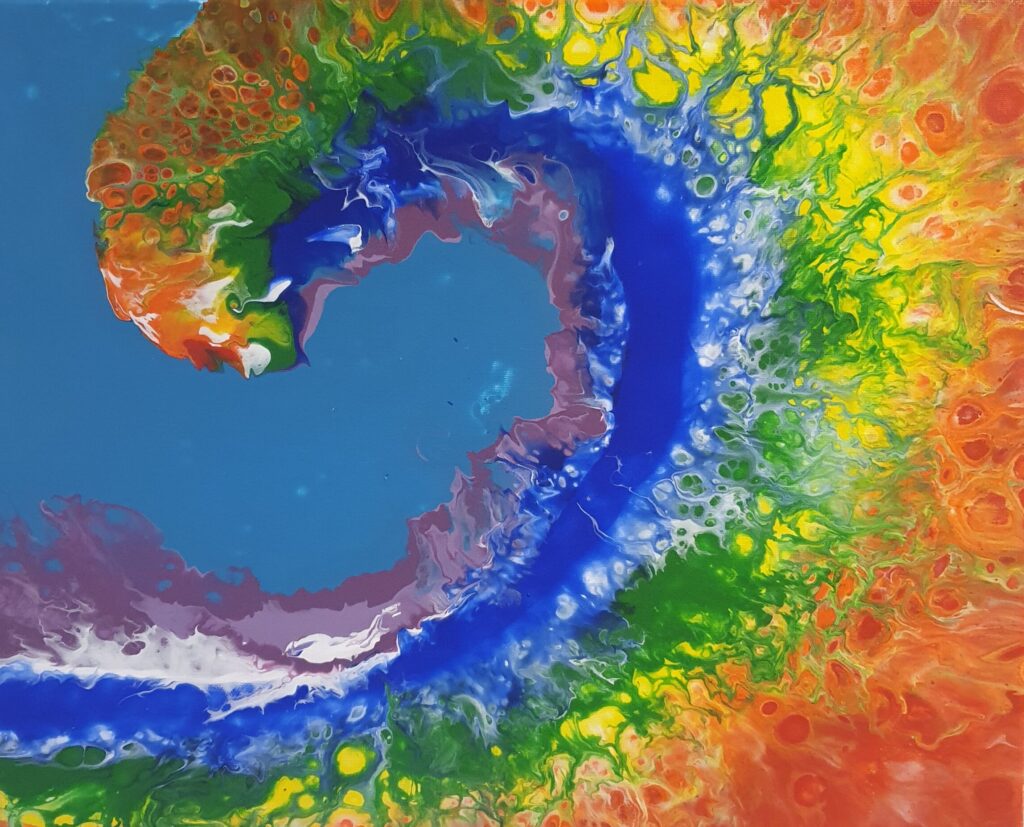
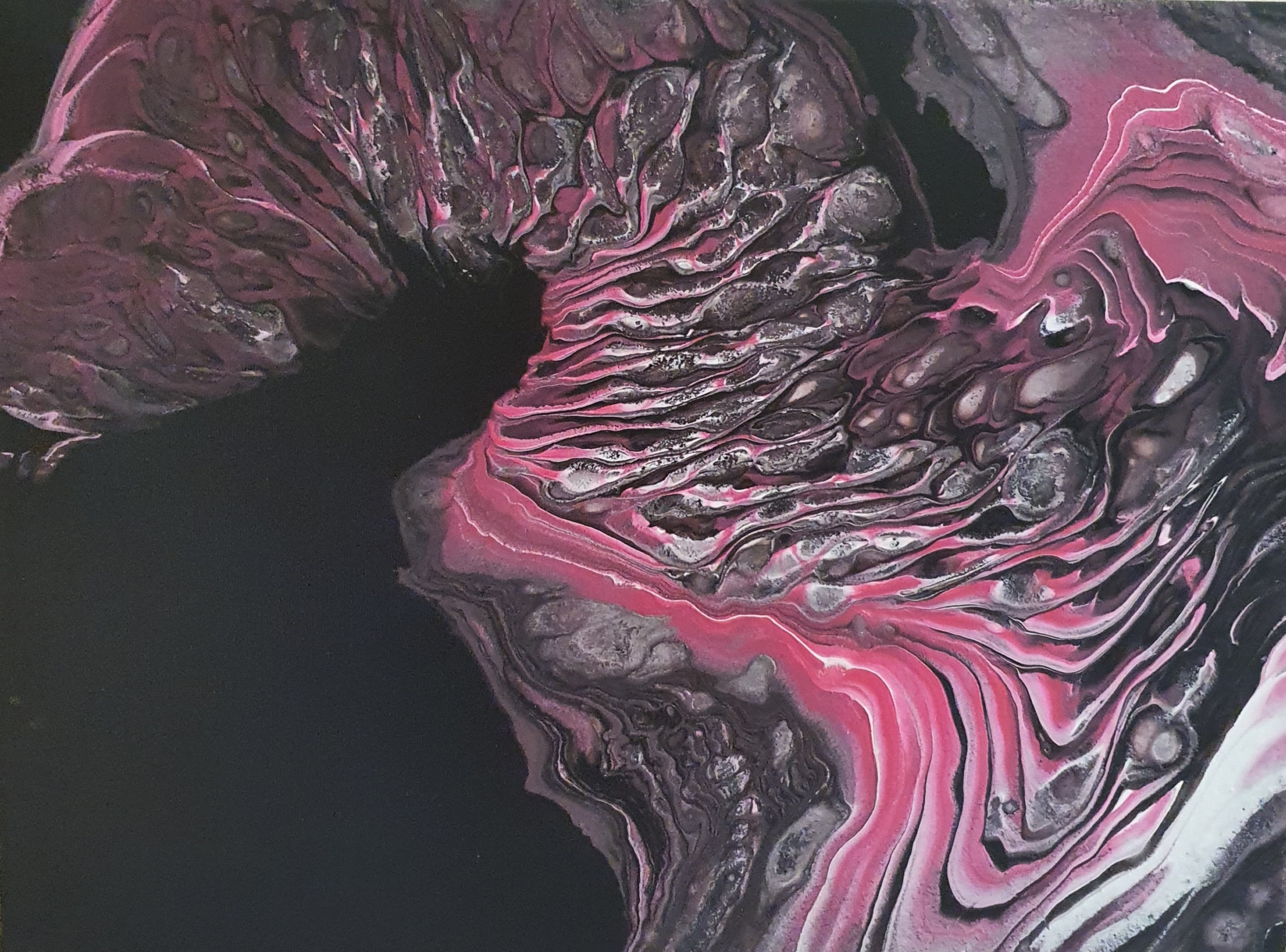
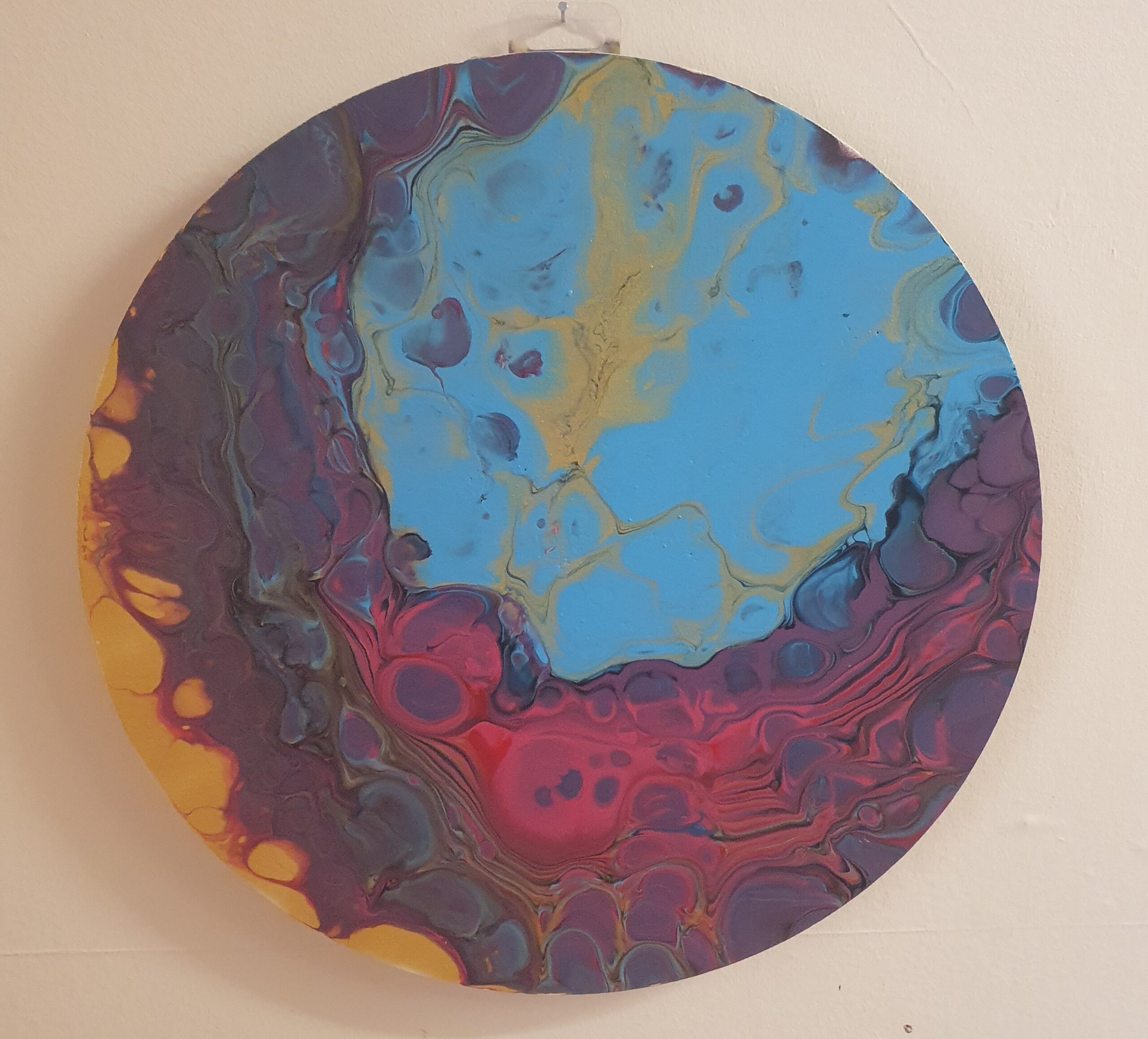
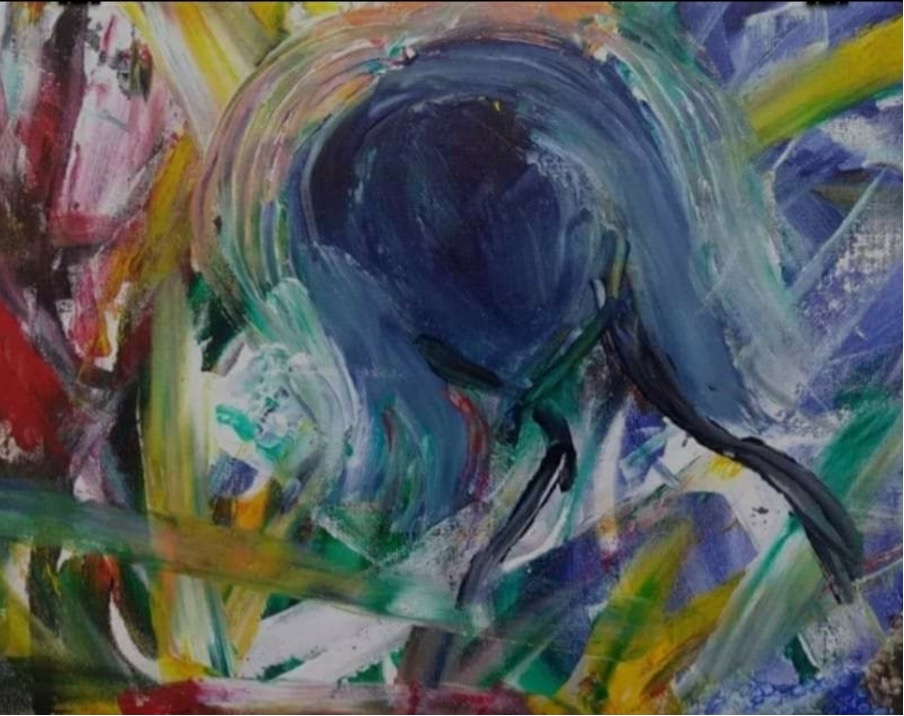
Acrylic Paint Pouring on Canvas
The physical act of creation also provides a sense of control, a particularly powerful experience for those who have suffered traumatic experiences often associated with a loss of power or control. The ability to transform a blank canvas into a visual depiction of one’s emotional landscape can foster feelings of empowerment and mastery, helping to rebuild confidence and self-esteem.
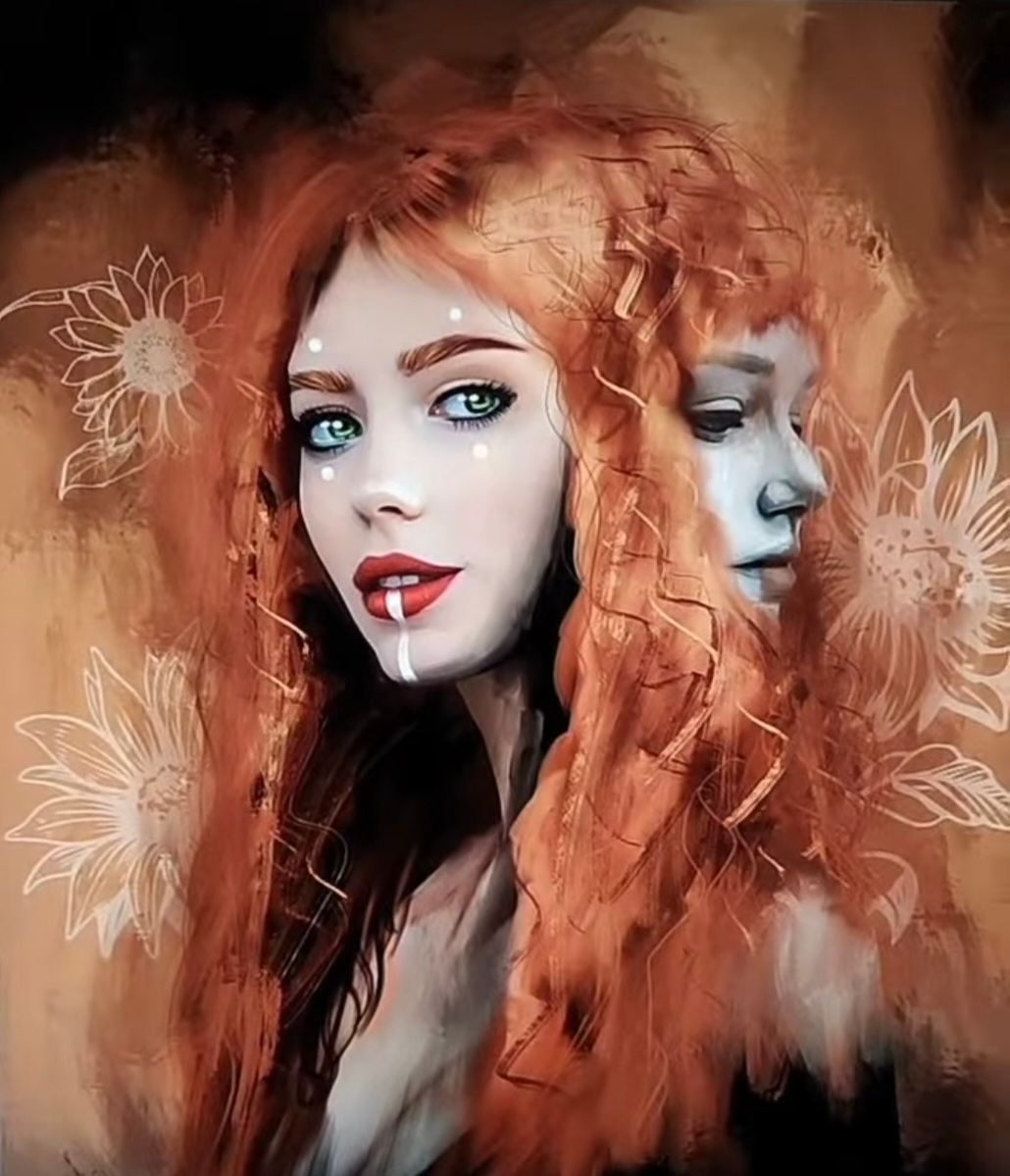
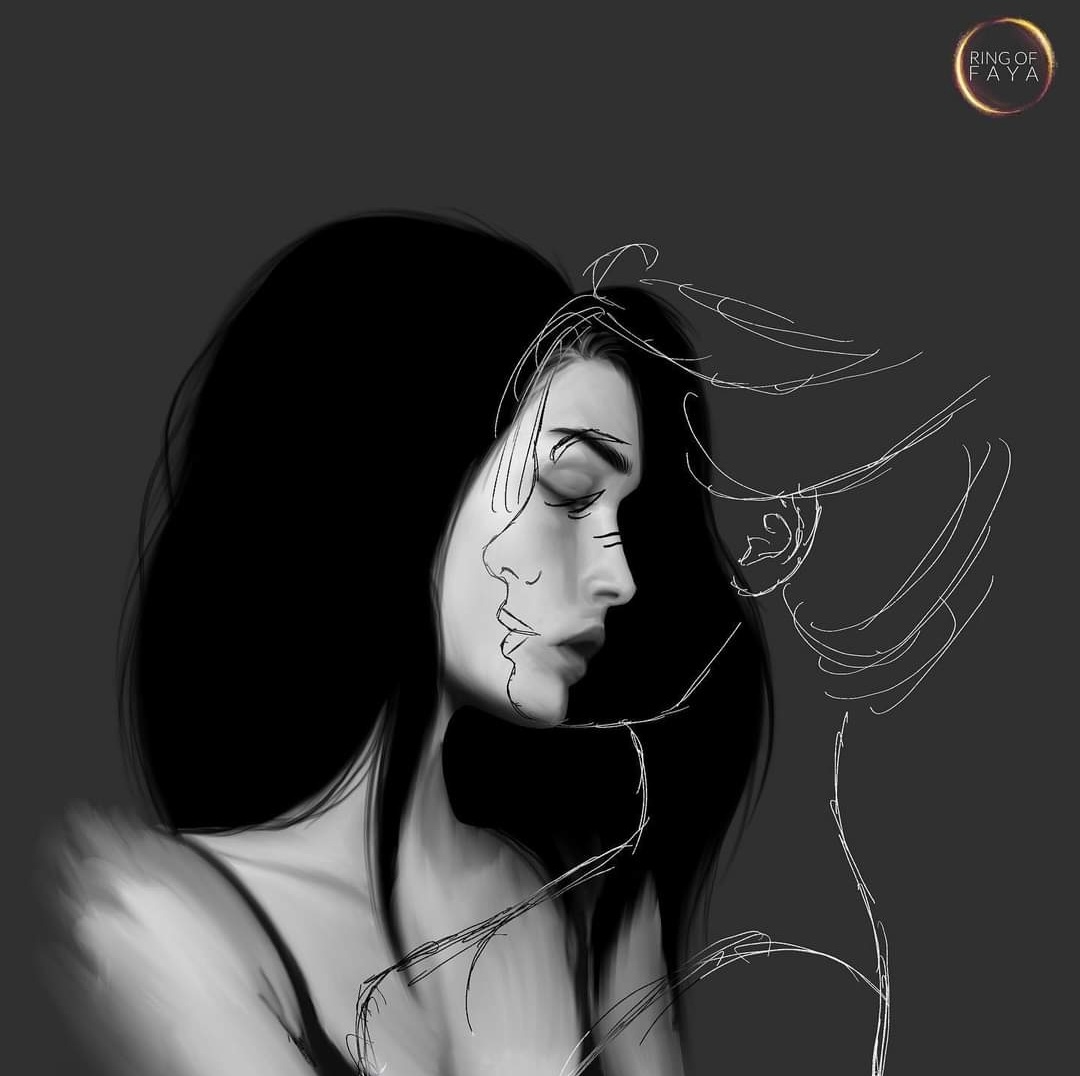
In addition, art can offer a tangible means to visualise dissociation, a common response to trauma. Dissociation, a disconnection between a person’s thoughts, memories, feelings, actions, or sense of identity, can often feel abstract and confusing. By translating these dissociative experiences into art, individuals can create a visual representation that can make these experiences feel more tangible and, therefore, more manageable to confront and understand.
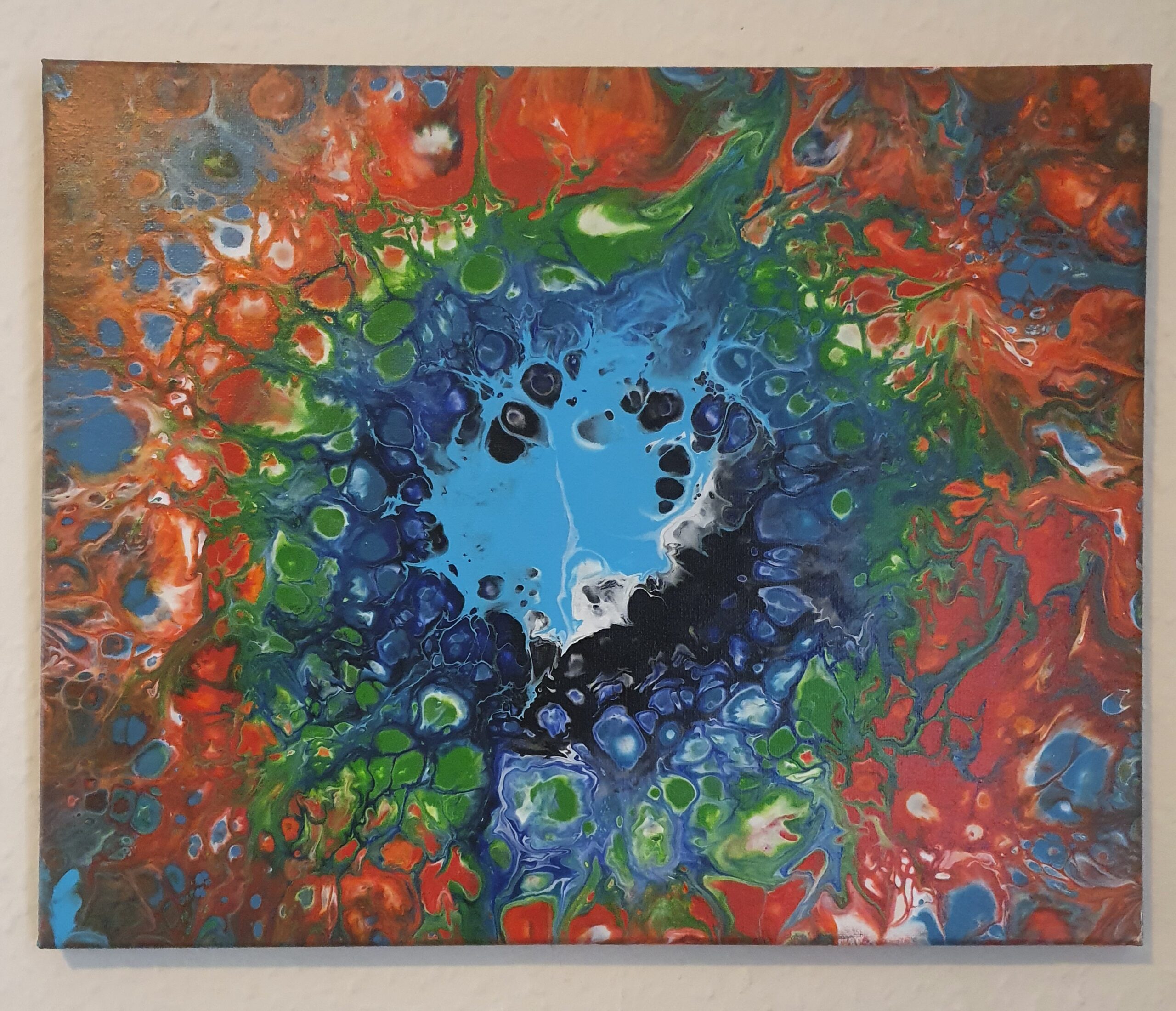
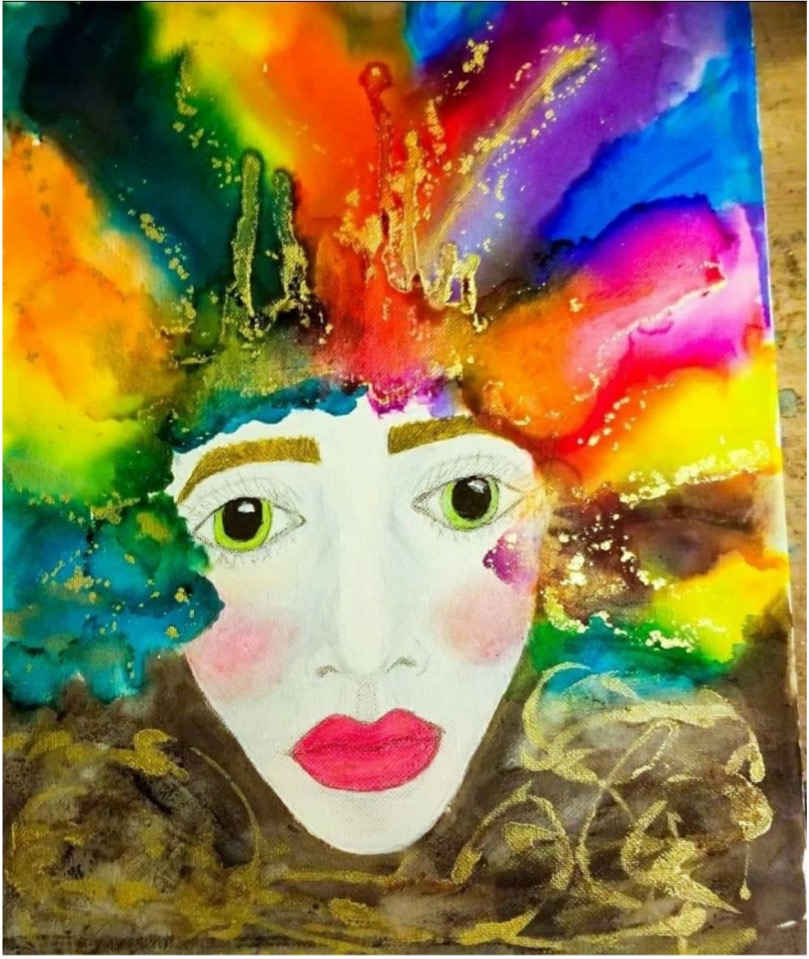
Artwork by Faya Shlah
Exploring these pieces of art, whether as the creator or an observer, can be equally therapeutic. The artwork serves as a mirror, reflecting the creator’s internal emotional landscape. This reflection can allow for self-confrontation and self-understanding, connecting individuals with the parts of themselves that need healing. Over time, as the creator continues to engage with their art, they might observe a shift in their artwork’s tone and content, mirroring their therapeutic journey and personal growth.
Beyond the act of creation, sharing artwork can also play a role in the healing process. The shared exploration of such pieces can foster a deeper sense of empathy and understanding, promoting connection and communication. It offers a unique opportunity for individuals to feel seen, heard, and understood, reinforcing the idea that they are not alone in their experiences.
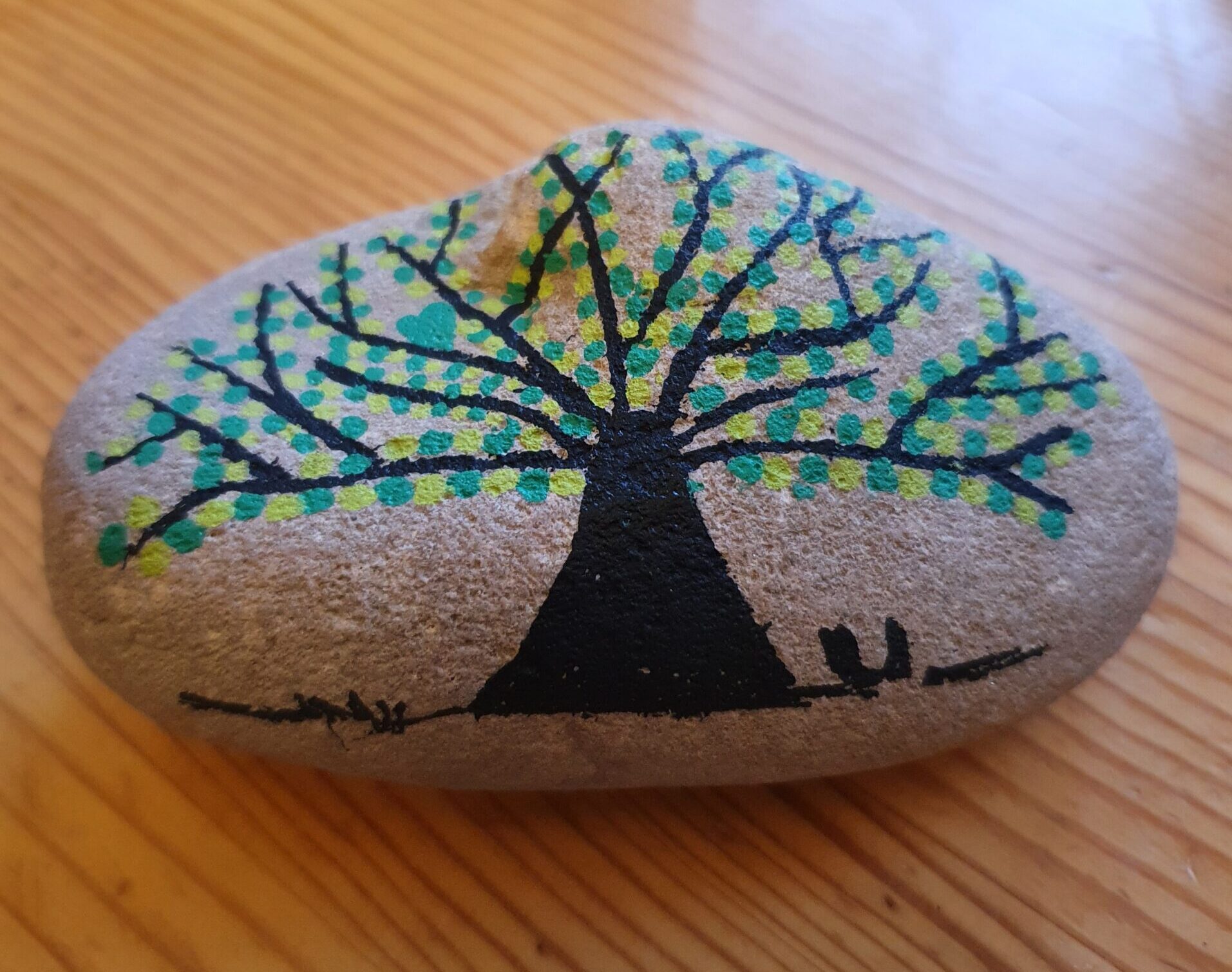
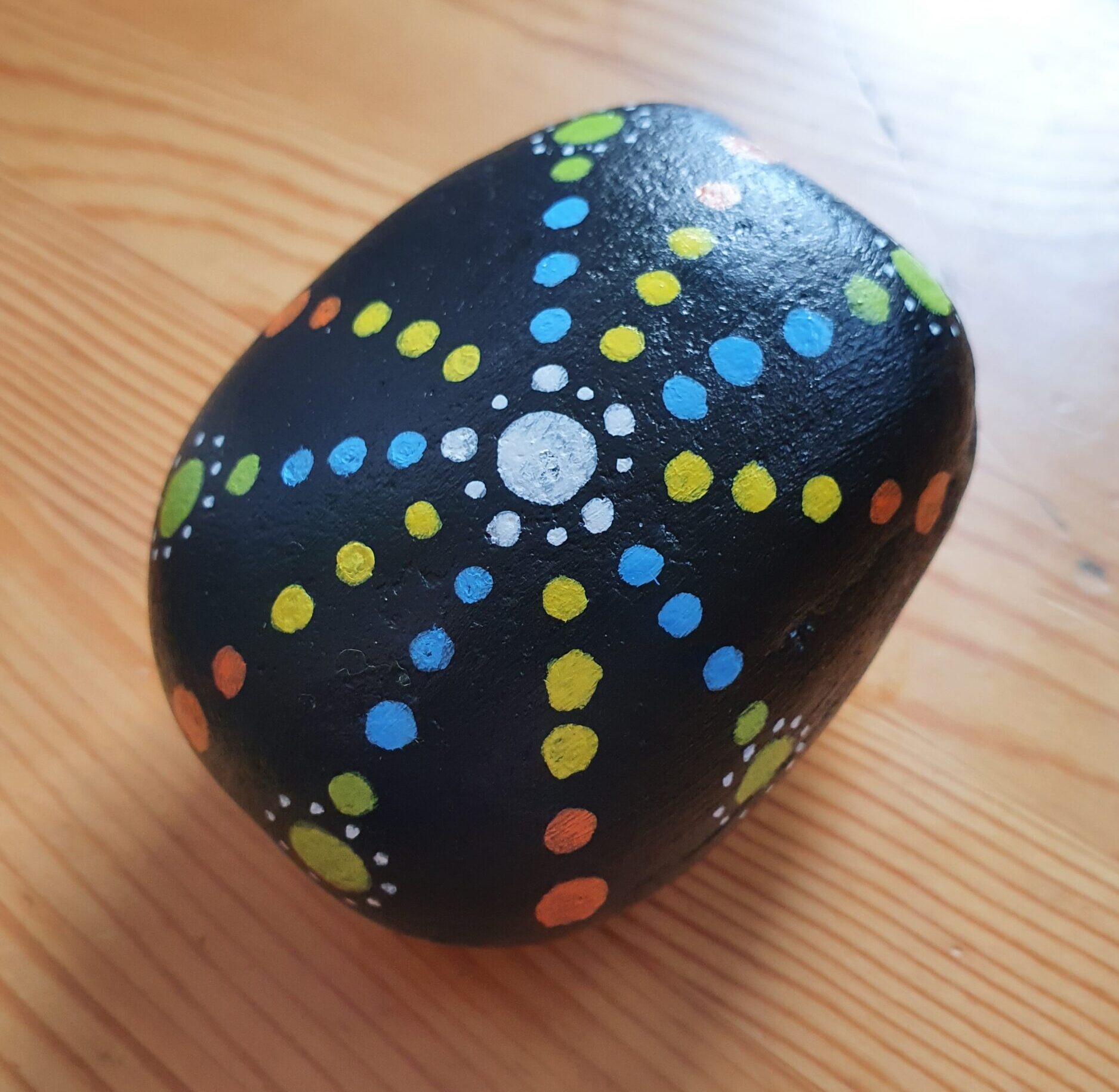
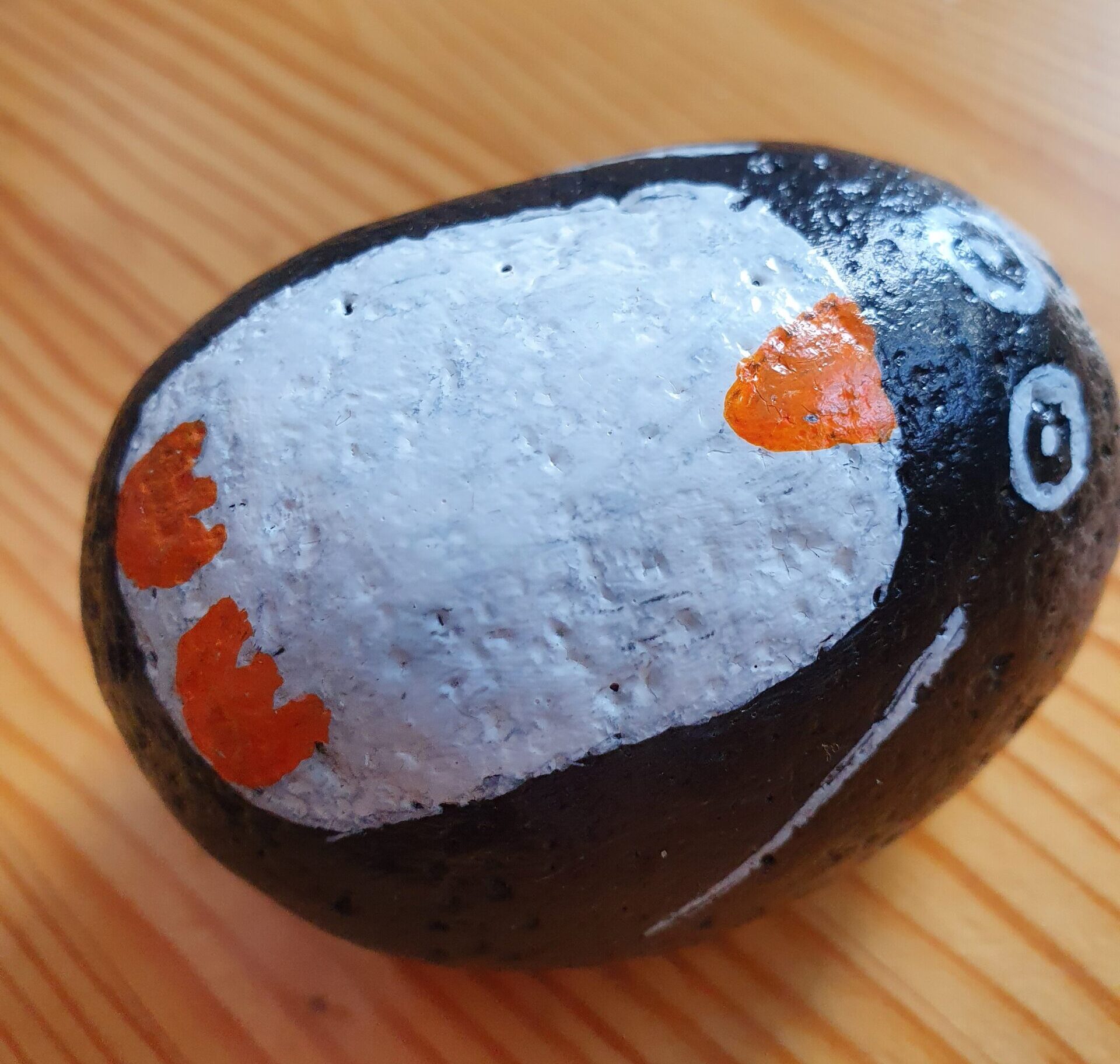
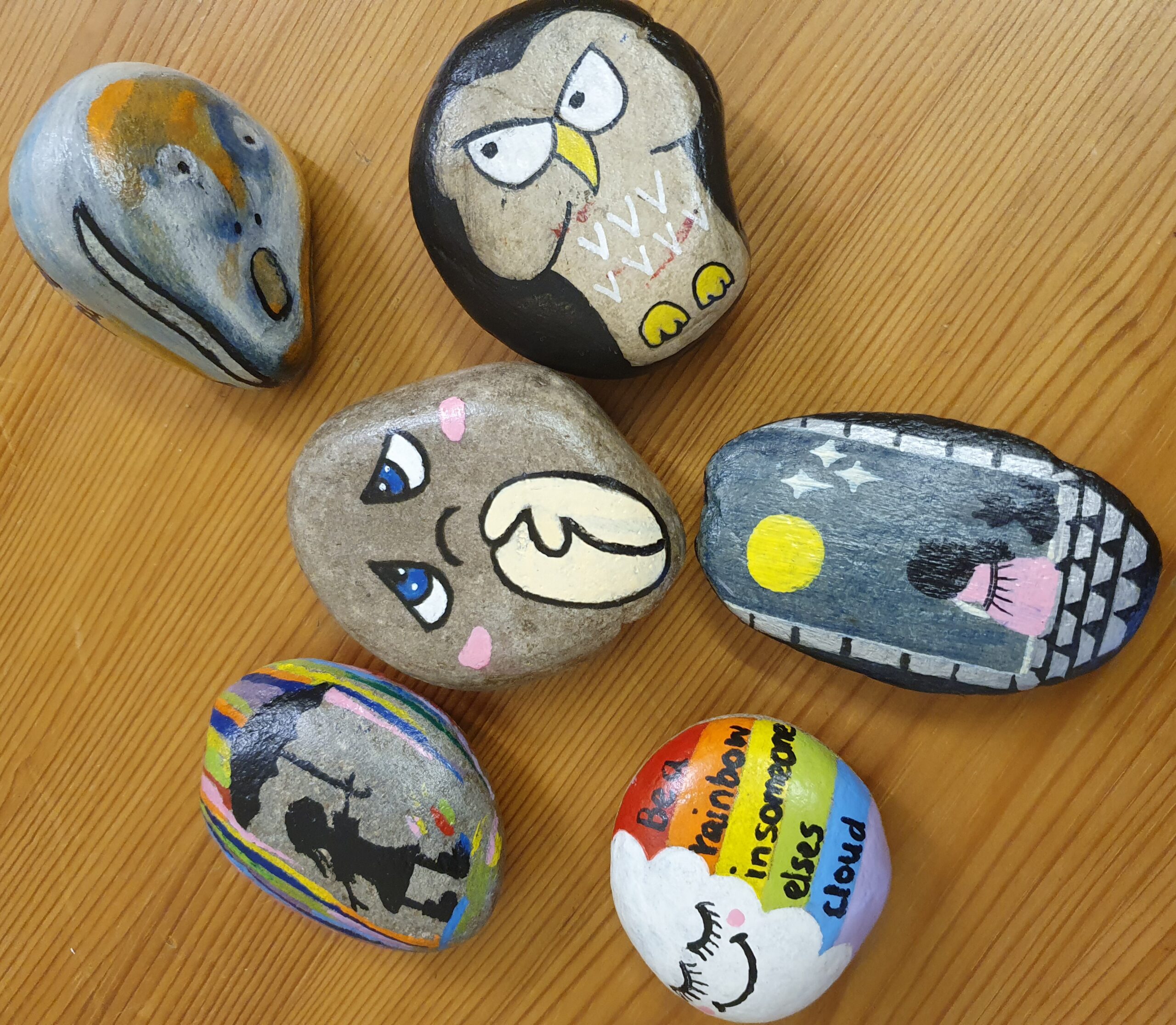
Acrylic Pen Rock Painting
In conclusion, art can be a powerful form of therapy for individuals dealing with trauma. It provides a creative and non-threatening avenue for expression, exploration, and understanding. Art serves as a bridge, connecting individuals with the deeper, often hidden parts of themselves, paving the way for healing and personal growth. Through creative expression, individuals can start to reframe their narrative, transforming their identity from trauma victims to resilient survivors and artists of their own lives.